Bone Graft for Dental Implants: Why You Might Need One
The Safe Smile Team
What is a bone graft for dental implants?
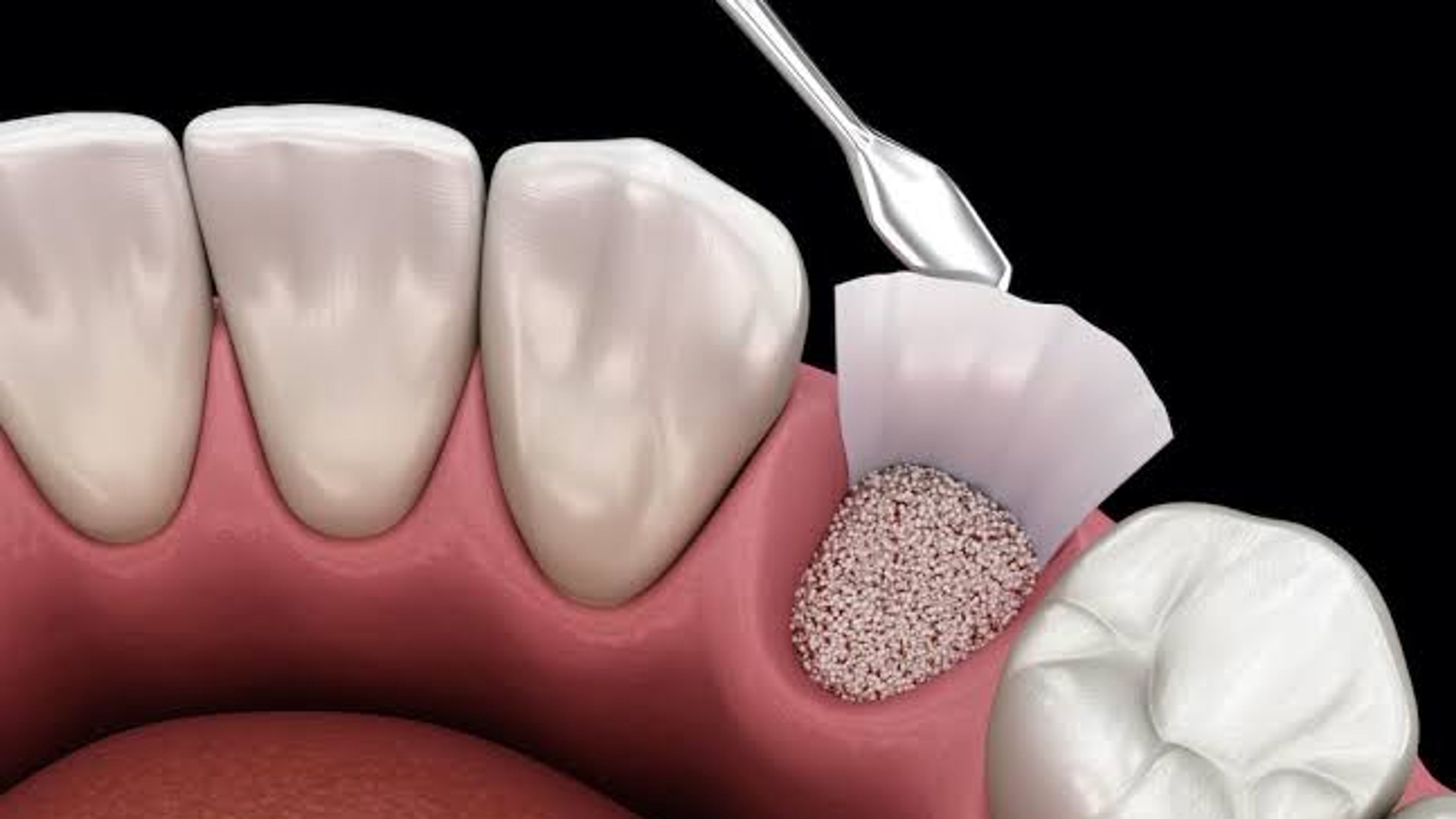
An implant needs a decent amount of healthy jawbone around it, much like a fence post needs firm ground. A dental bone graft simply adds bone where there isn't quite enough, so the implant has something solid to settle into.
The dentist places graft material in the thin or shallow area. Over the following months your body grows its own new bone into and around it. Eventually the graft material is largely replaced by your own bone, and that's what the implant sits in.
Sometimes the graft is done at the same appointment as the implant. Sometimes it's a separate visit first. Your scan usually decides which.
Why bone is lost after a tooth comes out
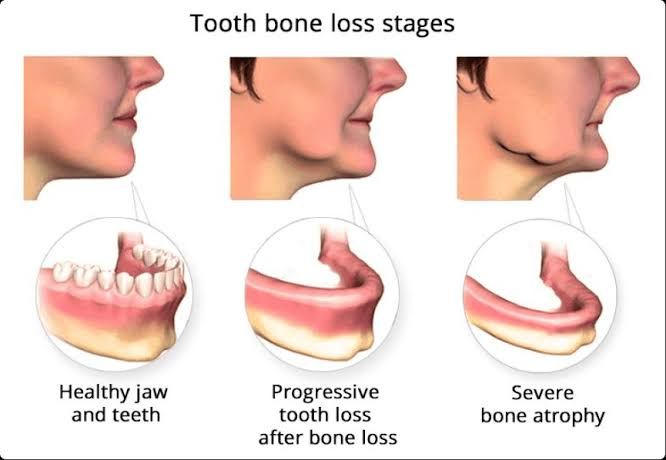
Your jawbone stays healthy partly because teeth press on it every time you chew. Take a tooth away and that part of the bone isn't being used any more, so the body gradually reabsorbs it.
This bone loss after tooth loss starts in the first months after an extraction and carries on slowly over the years. Someone who lost a back tooth a decade ago may have a ridge that's become noticeably narrower or lower than it was.
Gum disease can eat away at the bone too, sometimes before the tooth has even gone. Long-term denture wearers often see the same thing, because a denture rests on the gum without loading the bone underneath the way roots did.
None of this is anyone's fault. It's simply what bone does when it isn't needed.
How you'd know if you need one
You can't really tell from looking in a mirror, so please don't try to self-diagnose. Not enough bone for implants shows up on the 3D scan (a CBCT) taken at your assessment. It shows the height and width of the bone, how dense it is and where the nerves and sinuses sit.
From that, the dentist can say whether an implant will fit as it is, whether a small top-up is needed, or whether a bigger graft makes more sense. Things that make a graft more likely include:
- a tooth that's been missing for several years
- past gum disease
- a tooth that was removed after an infection or abscess
- wearing a denture for a long time
- implants planned for the upper back teeth, where the sinus sits close above the bone
That last one often needs a specific type of graft called a sinus lift. This lifts the sinus floor slightly so there’s room to add bone underneath.
Your dentist will explain whether you need one once they’ve seen your scan.
Types of bone graft, explained simply
Graft material comes from a few different places. Your dentist will recommend one based on how much bone is needed and where.
Your own bone. A small amount is taken from elsewhere in your mouth, often the back of the jaw or the chin area. It's the body's own material, though it does mean a second small site to heal.
Donor bone. Bone from a human donor that has been carefully screened and processed, so what's left is a mineral framework your own bone can grow into.
Animal-derived bone. Usually bovine, treated in a similar way. It's widely used in UK dental practice.
Synthetic material. Lab-made granules designed to act as scaffolding for new bone.
Often the graft is covered with a thin membrane that keeps the gum from growing into the space while the bone fills in. If you have a strong preference about where the material comes from, for example for religious or dietary reasons, mention it at your consultation. There are usually options.
What the procedure involves, and how it feels
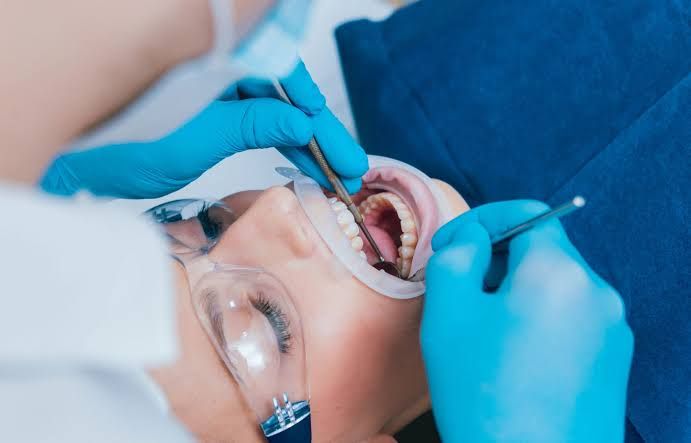
For most people a graft is done in the dental chair under local anaesthetic. You're awake but the area is numb. If you're anxious, ask whether sedation is available.
The dentist makes a small opening in the gum, places the graft material, covers it if needed and stitches the gum closed. A small graft might add only a little time to an implant appointment. A larger one can take longer and is more likely to be booked on its own.
Afterwards, expect some swelling and tenderness for a few days, and perhaps a bruise. Stitches can feel a bit like a hair caught between your teeth.
Your clinic will give you aftercare instructions, and they're the ones to follow, but generally that means soft food, no smoking, gentle rinsing and not chewing on that side for a while.
Healing time before an implant can be placed
This varies from person to person, depending on the size of the graft, where it is and how quickly you heal.
If the graft is done at the same time as the implant, there's no separate wait for the graft itself, though the implant may need a little longer to settle before the final crown goes on.
Your dentist will check progress at review appointments and tell you when it's ready for the next step.
Bone graft cost
At Safe Smile Implants, bone grafts start from £300. The final figure depends on how much bone is needed and which material is used, and you'll get it in writing after your assessment, before any treatment starts.
For comparison, a single implant with crown is £1,299 through SSI. Our UK dental implant cost guide explains what goes into implant pricing, and our pricing and finance page lists the extras that can come up.
If you'd rather avoid a graft
Some people simply don't fancy it, and that's a fair conversation to have. Depending on your bone, your dentist may suggest:
- a shorter or narrower implant that fits the bone you have
- angling the implants, as with All-on-4 full arch treatment, to use firmer bone further forward
- an implant-retained denture, which can sometimes work with less bone
- a bridge or a denture, with no implant at all
Not every option will suit every mouth, and each has its own trade-offs.
Ask your dentist to explain why they're recommending a graft for you specifically, and what would happen if you went without.
Next steps
Needing a bone graft usually just means one extra step before your implant, and for many people it's the step that makes an implant possible at all.
If you'd like to know where you stand, a free e-consultation with an SSI Implant Journey Manager is a calm place to start. You can see how our process works, or read about single dental implants.
Want to check who'll be treating you? Every dentist in the UK should be on the General Dental Council register.
Frequently asked questions
Is a bone graft painful?
It's done under local anaesthetic, so you shouldn't feel pain during it. Afterwards, expect some swelling and tenderness for a few days. Your clinic will tell you which pain relief to use.
Is it common to need a bone graft for dental implants?
Yes. Bone shrinks after a tooth is lost, so plenty of people need a top-up before or during implant treatment, especially if a tooth has been missing for years.
Can the graft and the implant be done on the same day?
Sometimes. With a small graft, the implant can often go in at the same appointment. Bigger grafts are more likely to be done first, with the implant placed once the new bone has formed.
What if my body doesn't accept the graft?
Most grafts heal well, but now and then one doesn't take as hoped. Your dentist checks healing at review appointments and will explain the options if it needs redoing. Not smoking and following your aftercare advice gives the graft the best chance.
How much does a bone graft cost?
At Safe Smile Implants, bone grafts start from £300. Your exact price depends on how much bone is needed and is confirmed in writing after your assessment.
This article is for general information only and is not dental or medical advice. Treatment suitability varies from person to person - always consult a qualified dental professional about your specific circumstances.
Wondering what this means for your smile?
Talk it through with the team in a free online video consultation. No pressure, no obligation - just clear answers about your options and costs.
- Free and with no obligation
- UK-qualified, GDC-registered dentists
- Relaxed video chat, from home